
Car Accidents:
Know Your Rights and Next Steps
Car accidents can happen unexpectedly, leaving you with injuries, financial stress, and unanswered questions. Understanding your options can help you move forward with clarity.
Understanding Car Accidents
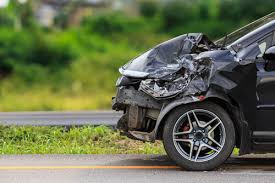
Car accidents are among the most common causes of personal injury. Whether it’s a minor collision or a major crash, the impact can extend beyond physical damage to include emotional stress and financial burden.
Most accidents occur due to negligence — when a driver fails to act responsibly on the road. Knowing how these cases are typically handled can help you make informed decisions after an accident.
Common Causes of Car Accidents
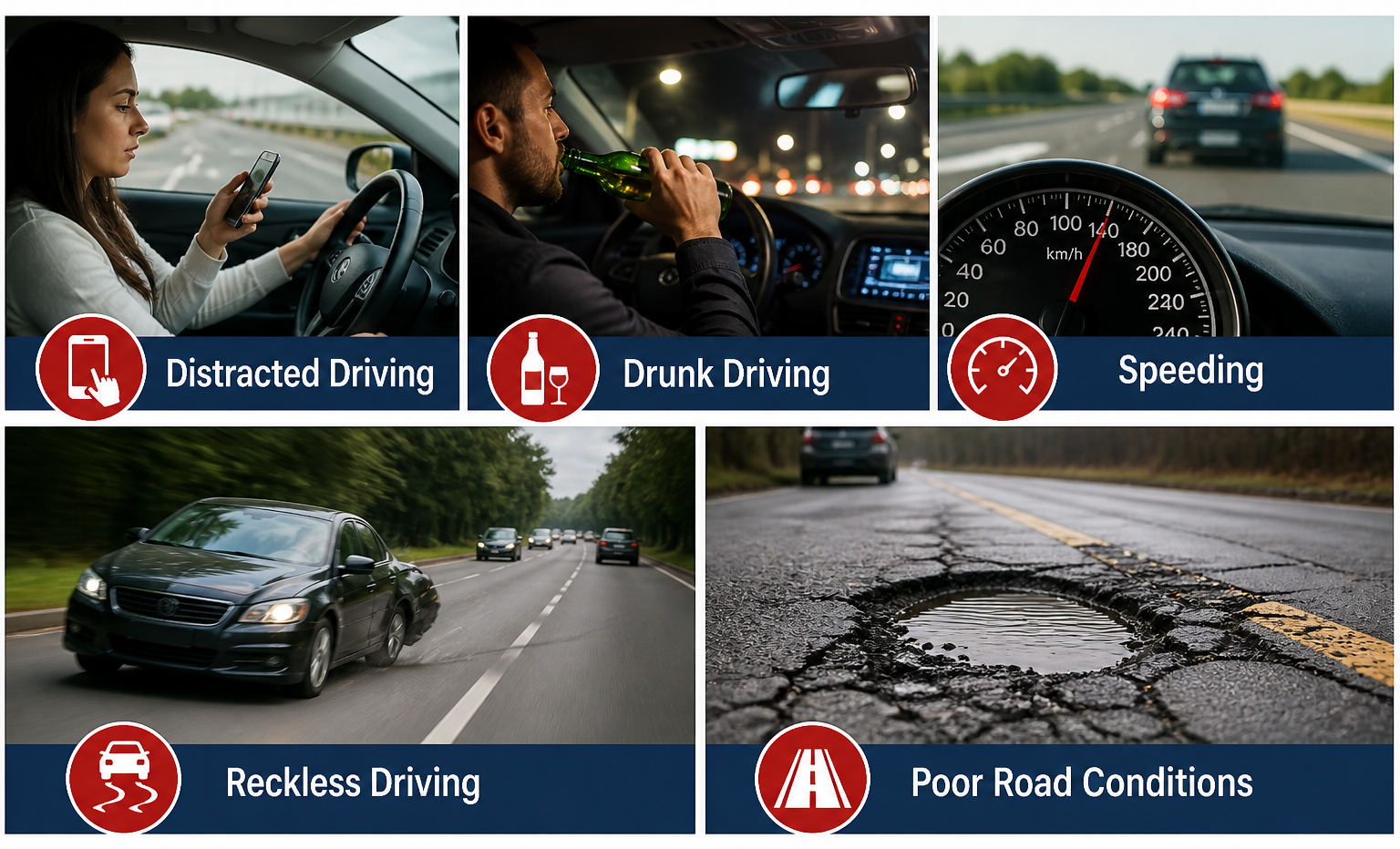
Car accidents can happen for many reasons, but some causes appear more frequently

Distracted Driving
Using a phone, eating, or losing focus while driving
Speeding
Less control and increased severity of impact

Poor Road Conditions
Potholes, weather conditions, or lack of signage

Drunk Driving
Reduced reaction time and poor judgment

Reckless Driving
Aggressive behavior like tailgating or unsafe lane changes
Common Injuries in Car Accidents
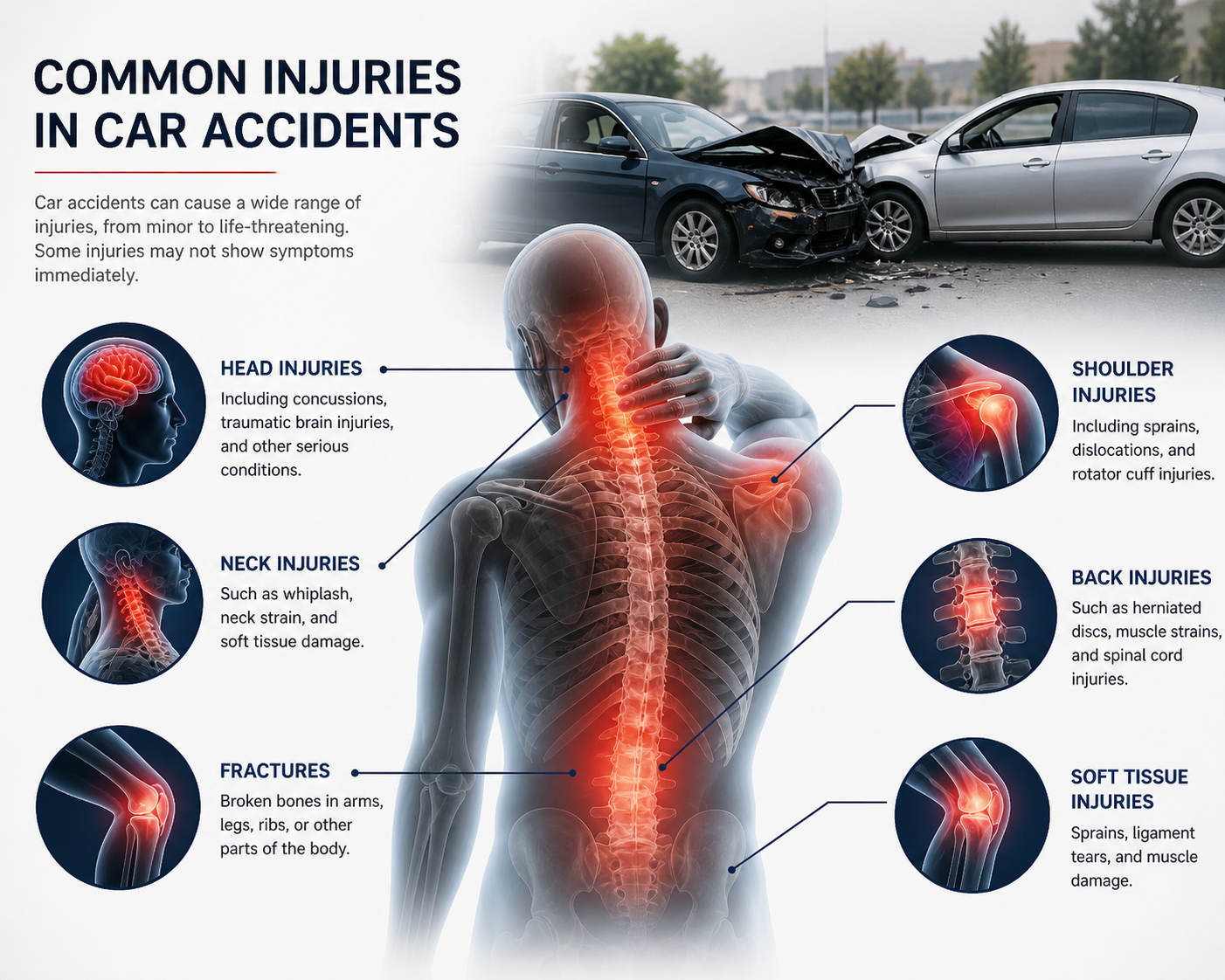
Injuries can vary depending on the severity of the accident:
- Whiplash and neck injuries
- Head injuries and concussions
- Fractures and broken bones
- Back and spinal injuries
- Soft tissue damage
Even if injuries seem minor, symptoms may appear later, making early medical evaluation important.
Who May Be Responsible?
Determining responsibility is a key part of any car accident situation. Depending on the circumstances, liability may involve
Another driver
Another Driver
Multiple drivers
Shared fault
Vehicle manufacturers
In case of defects
Government authorities
Road maintenance issues
Responsibility in a car accident is not always limited to a single person. In many cases, another driver may be at fault due to negligence such as careless or distracted driving. Sometimes, multiple drivers may share responsibility depending on how the accident occurred. In certain situations, vehicle manufacturers could be involved if a defect or mechanical failure contributed to the crash. Additionally, government authorities may also be considered if poor road conditions or lack of proper maintenance played a role in the accident.
What To Do After a Car Accident
Taking the right steps immediately after an accident can make a significant difference
Seek medical attention
Get medical attention immediately, even for minor injuries.
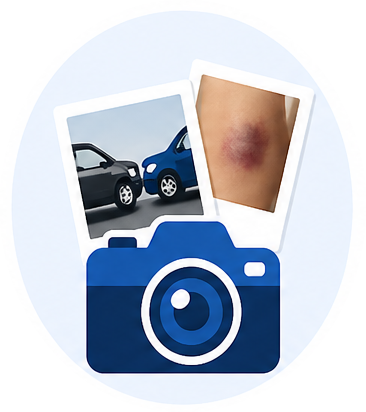
Document Evidence
Take photos and videos of the scene, damage, and injuries.
Collect Info
Gather contact and insurance details from all involved.
Report Incident
Inform the police or relevant authority about the accident.
Understand Your Options
Learn your rights and possible next steps.
Types of Compensation
Compensation depends on the nature and impact of the accident. It may include
Medical Expenses
Covers treatment, hospital bills, and ongoing care costs.
Lost Income
Compensation for missed work and reduced earning ability.
Property Damage
Repair or replacement costs for your vehicle and belongings.
Pain & Distress
Accounts for physical pain and emotional impact.
Challenges in Car Accident Cases
Car accident cases may involve certain challenges:
- Disputes over fault
- Lack of sufficient evidence
- Insurance-related complexities
- Delays in claims processing
Being aware of these challenges can help you prepare better.
Why Understanding Your Situation Matters
Every car accident case is unique. Factors such as severity, evidence, and applicable rules can influence the outcome. Taking time to understand your situation can help you make better decisions.
FAQs
Focus on safety first, seek medical help, and document the scene.
In some cases, partial responsibility may still allow certain options depending on applicable rules.
The timeline can vary based on complexity and available evidence.
There may still be options available depending on your situation and coverage.
Don’t Let Confusion Delay Your Next Steps
Understanding your options after a car accident can make a real difference. Take the time to explore what applies to your situation.