Understanding California injury laws may help people learn about filing deadlines, responsibility rules, insurance considerations, and compensation-related processes after an accident or injury.
California Personal Injury Laws Guide
California has specific laws that may affect personal injury claims, accident-related disputes, insurance procedures, and compensation discussions. These laws can influence filing timelines, fault determinations, and the overall recovery process.
Learning about California injury laws may help individuals better understand their options and legal responsibilities following an accident.
Understanding California Injury Laws
California follows a legal framework that addresses many aspects of accident and injury-related situations, including
Filing deadlines
Learn about important timelines that may apply to injury-related claims.
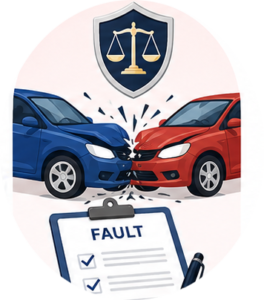
Comparative Fault Rules
Understand how shared responsibility may affect accident-related situations.
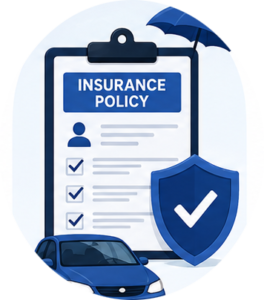
Insurance Requirements
Overview of California insurance coverage and claim-related procedures.
Compensation Considerations
Explore common compensation categories such as medical expenses, lost income, and property damage.
Legal Procedures
Understand court processes, documentation, and claim-related requirements.
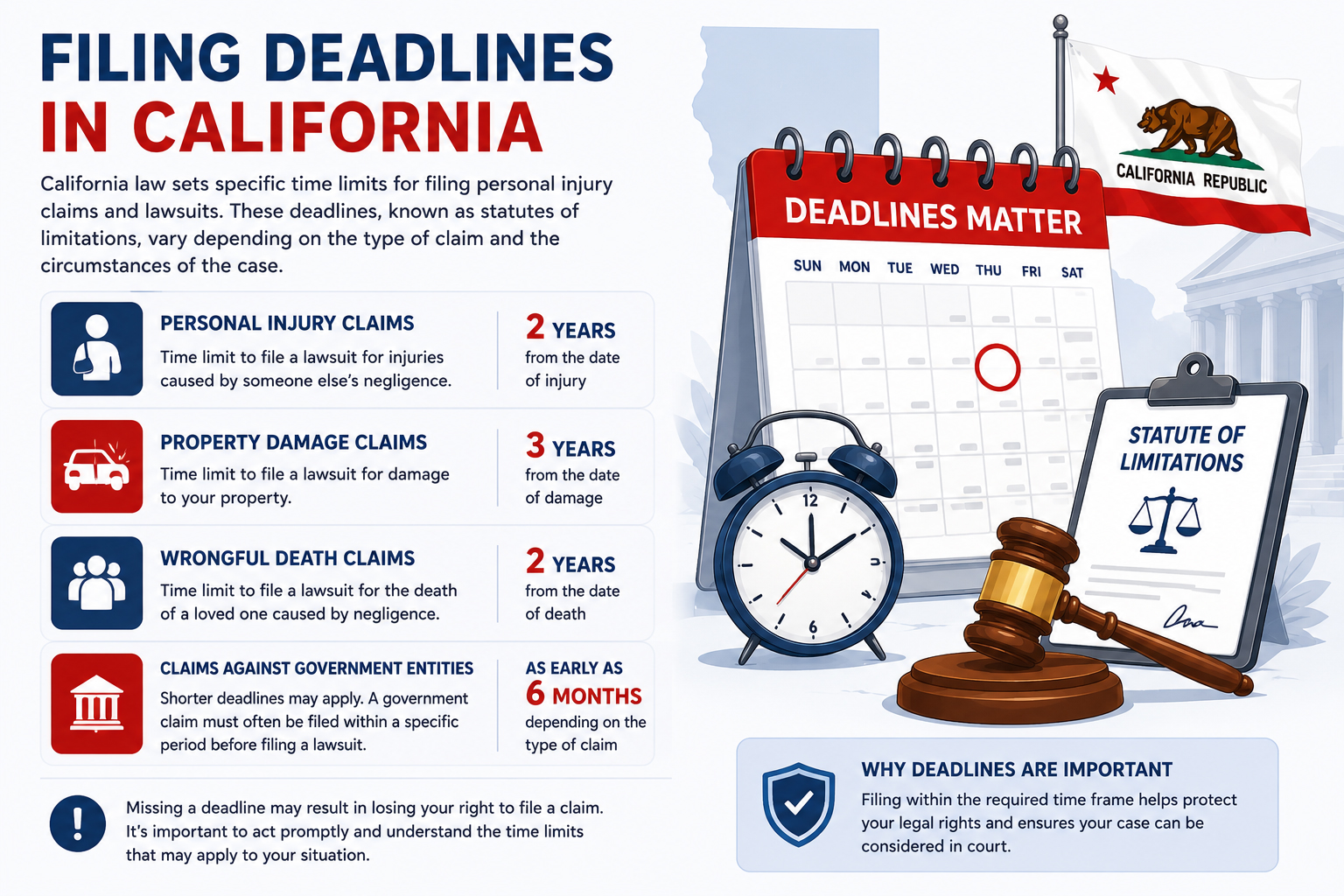
Filing Deadlines in California
Statute of Limitations
California generally applies time limits for filing injury-related claims and lawsuits.
These timelines may involve:
Personal injury claims
Property damage claims
Wrongful death claims
Claims involving government entities
Filing deadlines can vary depending on the circumstances of a case.
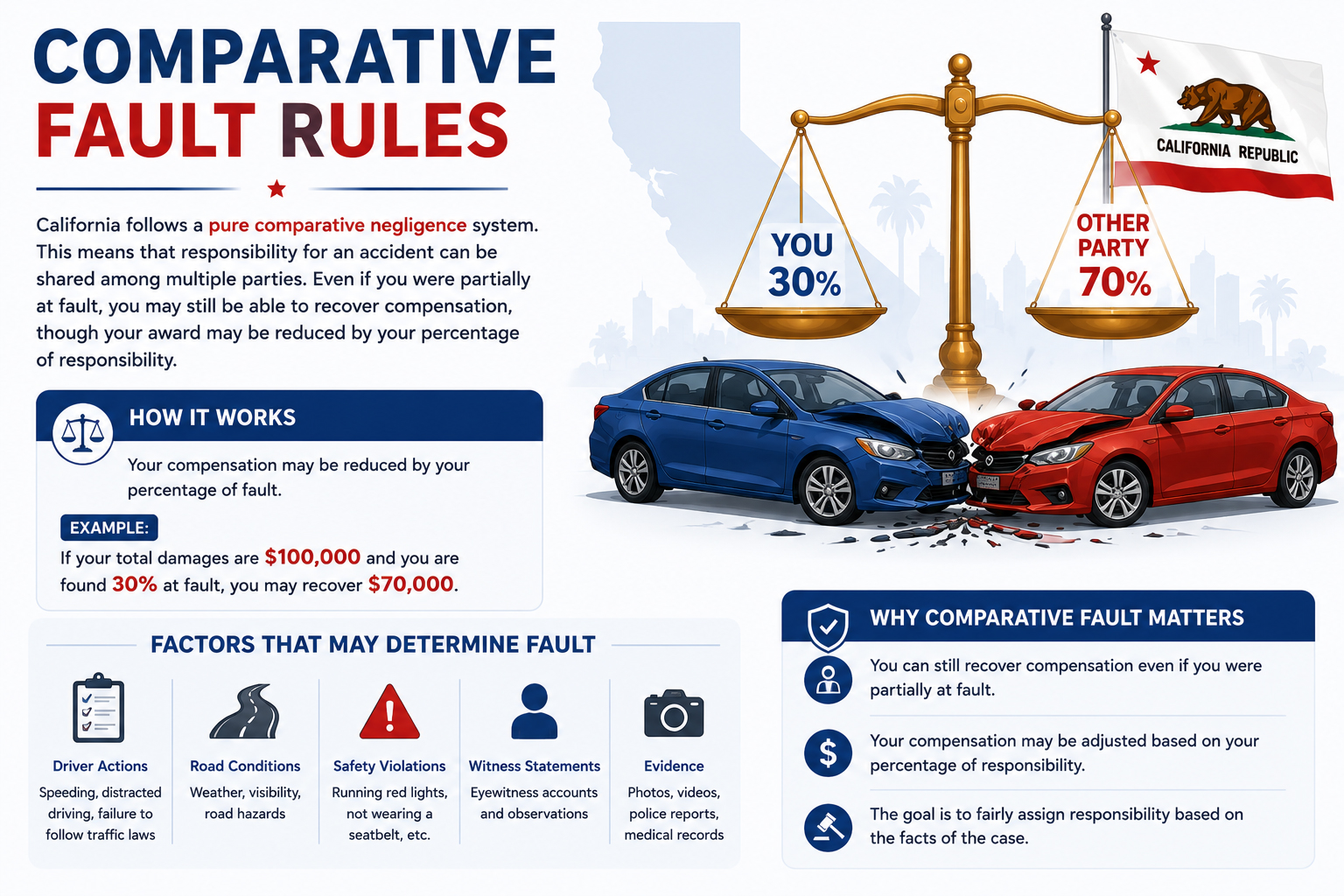
Comparative Fault Rules
Understanding Shared Responsibility
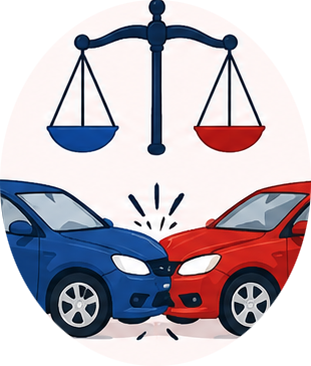
California follows a pure comparative negligence system.
This means responsibility may be shared among multiple parties involved in an accident.
Factors That May Affect Responsibility:
Driver actions
Property conditions
Safety violations
Available evidence
Witness statements
Responsibility is often determined based on the facts of each situation.
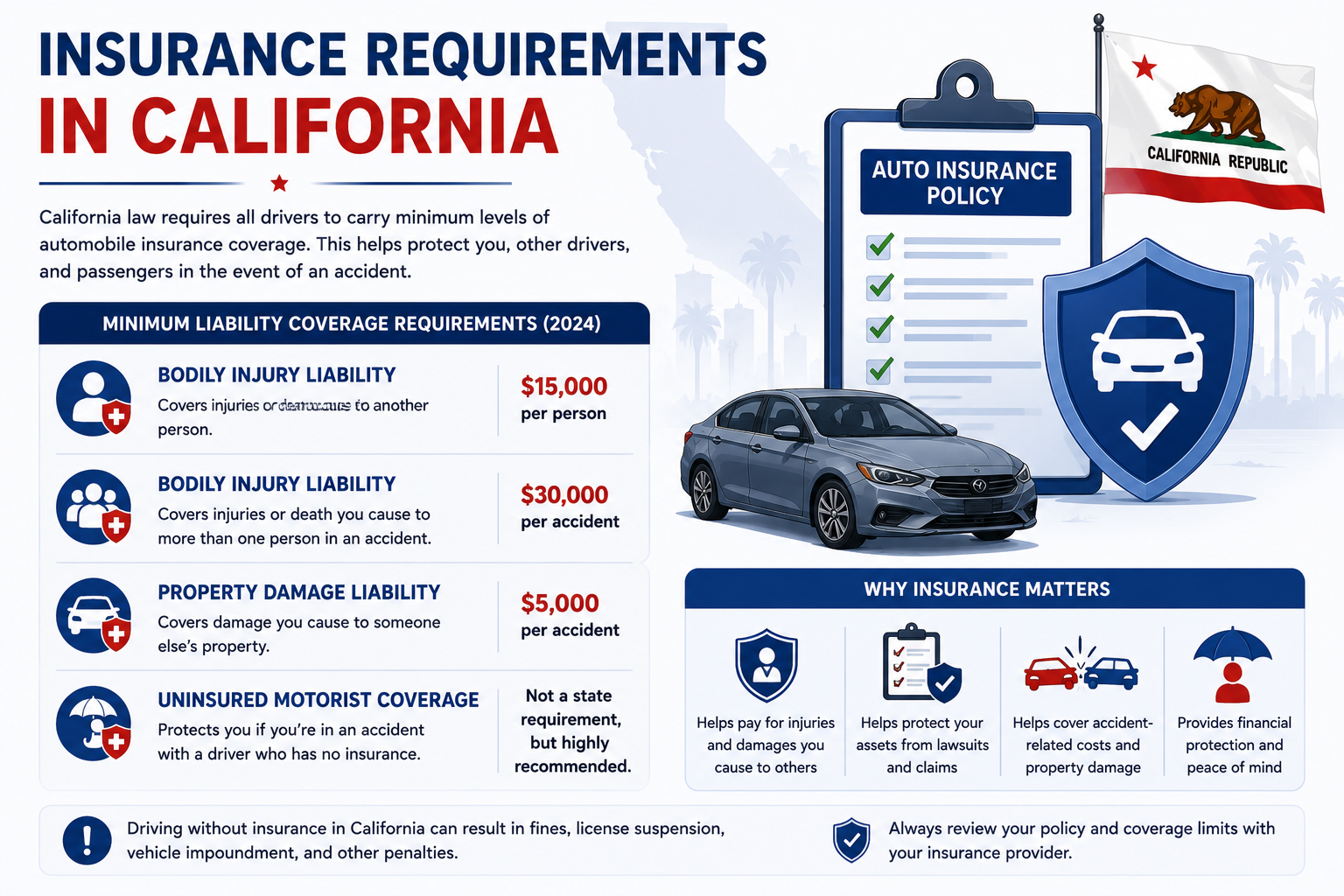
Insurance Requirements in California
California requires drivers to maintain minimum levels of automobile insurance coverage.
Insurance Considerations May Include:
Liability coverage
Property damage coverage
Bodily injury coverage
Uninsured motorist protection
Insurance-related procedures may vary depending on the type of accident and coverage involved.
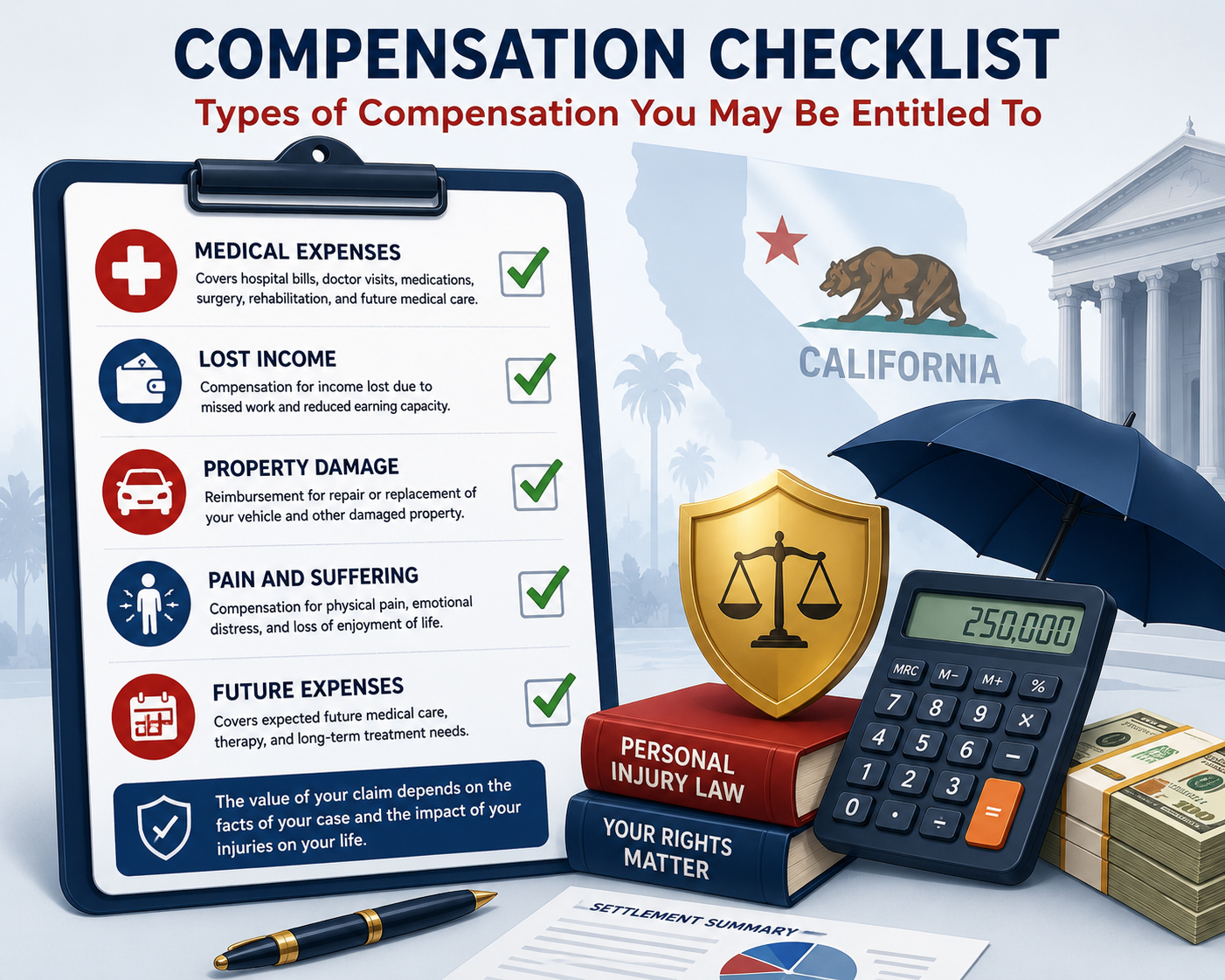
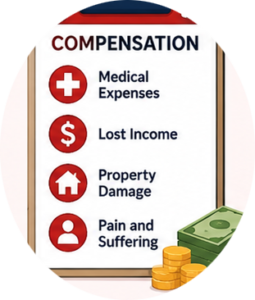
Compensation Considerations
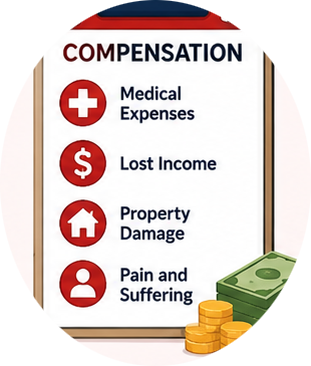
California injury-related claims may involve different types of damages depending on the circumstances.
Common Areas Often Discussed Include:
Medical Expenses
Healthcare costs related to injuries and recovery.
Lost Income
Income affected by missed work or recovery limitations.
Property Damage
Repair or replacement costs for damaged property.
Pain and Suffering
Physical and emotional impacts related to an injury.
Future Expenses
Potential long-term costs associated with ongoing recovery needs. Every situation may involve different compensation-related considerations.
Common Types of Accidents Covered by California Injury Laws
Keeping organized records may help support injury-related processes and communication.
Car Accidents
Traffic collisions involving drivers, passengers, or multiple vehicles.
Motorcycle Accidents
Accidents involving motorcycles and roadway hazards.
Truck Accidents
Commercial vehicle and trucking-related incidents.
Pedestrian Accidents
Accidents involving pedestrians and motor vehicles.
Bicycle Accidents
Collisions involving bicycles and roadway traffic.
Premises Liability Incidents
Situations involving unsafe property conditions.
Important Documentation
Keeping organized records may help document accident-related events and recovery progress.
Accident Reports
Reports that document the incident and involved parties.
Medical Records
Records showing injuries, treatment, and recovery progress.
Photos and Videos
Visual documentation of accident scenes, injuries, or property damage.
Insurance Communication
Emails, letters, and claim-related correspondence.
Witness Information
Contact details and statements from witnesses.
Expense Documentation
Records related to medical bills, repairs, and other expenses.
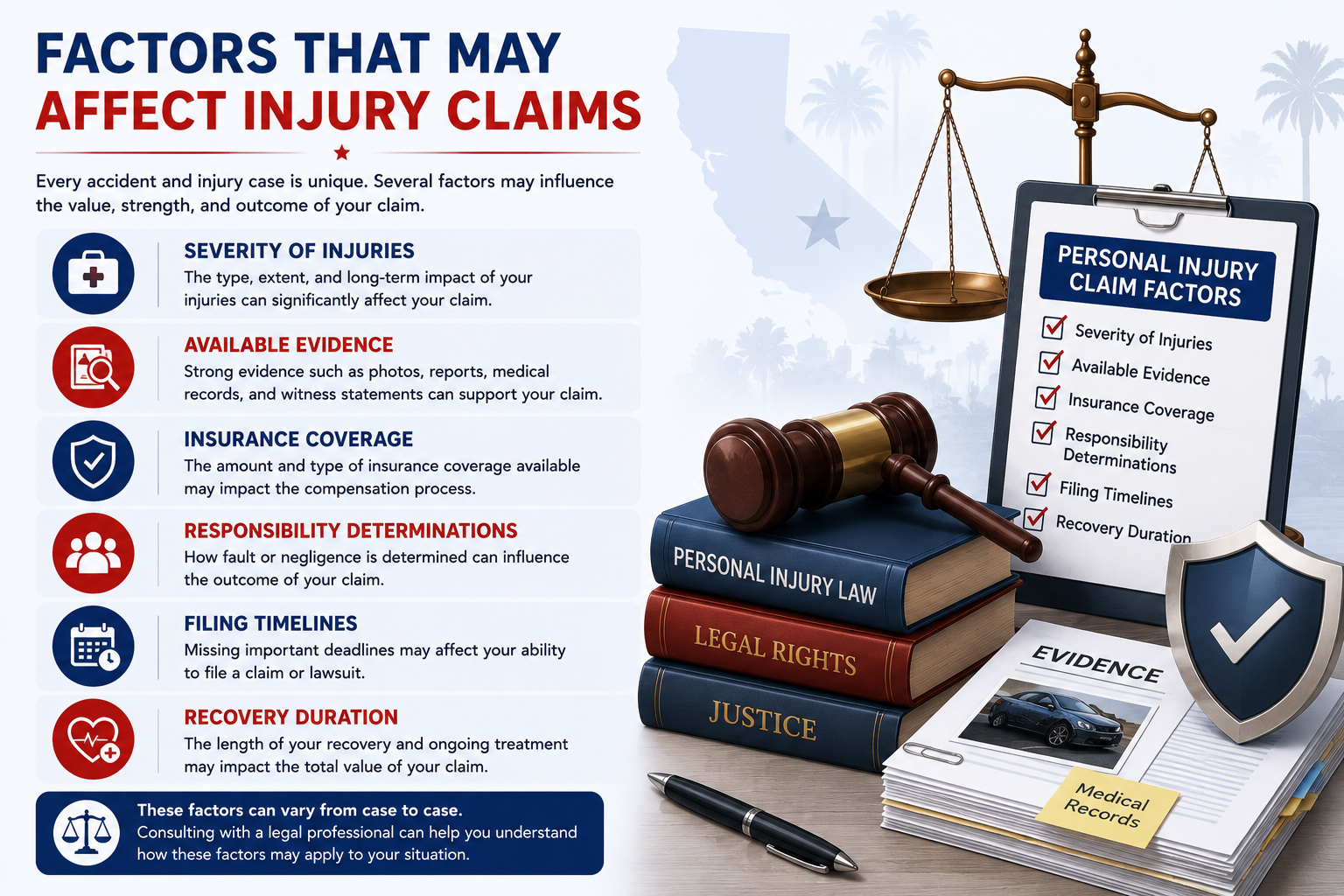
Factors That May Affect Injury Claims
Several factors may influence injury-related processes:
Severity of injuries
Available evidence
Insurance coverage
Responsibility determinations
Filing timelines
Recovery duration
Every situation may involve unique circumstances.
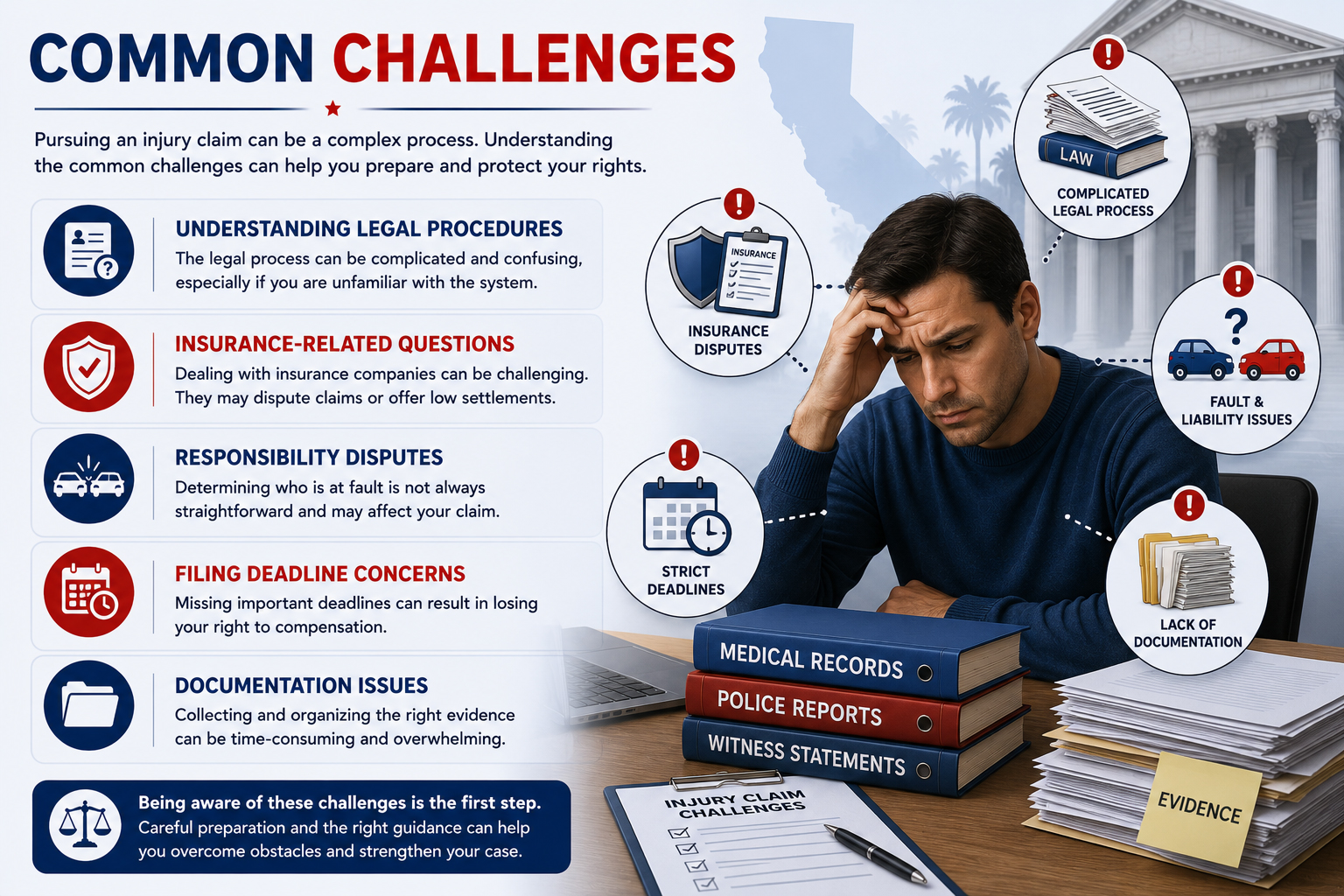
Common Challenges
Understanding Legal Procedures
California laws and claim processes may sometimes feel complex.
Responsibility Disputes
Questions regarding fault may arise in some situations.
Documentation Issues
Missing records may create challenges during the process.
Insurance-Related Questions
Coverage requirements and claim procedures may create confusion.
Filing Deadline Concerns
Keeping track of legal deadlines is important.
Tips to Stay Organized
Keep all records organized
Maintain organized folders for documents and communication.
Save medical and insurance information
Store treatment records and claim-related documents.
Document accident details early
Gather information as soon as possible after an incident.
Track important deadlines
Keep a calendar of important dates and milestones.
Stay informed about California laws
Review educational resources to better understand the process.
Medical records, accident reports, photos, insurance communication, and expense documentation may be helpful.
Conclusion
California injury laws may affect many aspects of the accident recovery process, including responsibility determinations, filing deadlines, insurance procedures, and compensation-related discussions. Understanding these laws may help individuals stay informed and better prepared following an accident or injury.